Featured in BBC News Mundo·El País·Nautilus
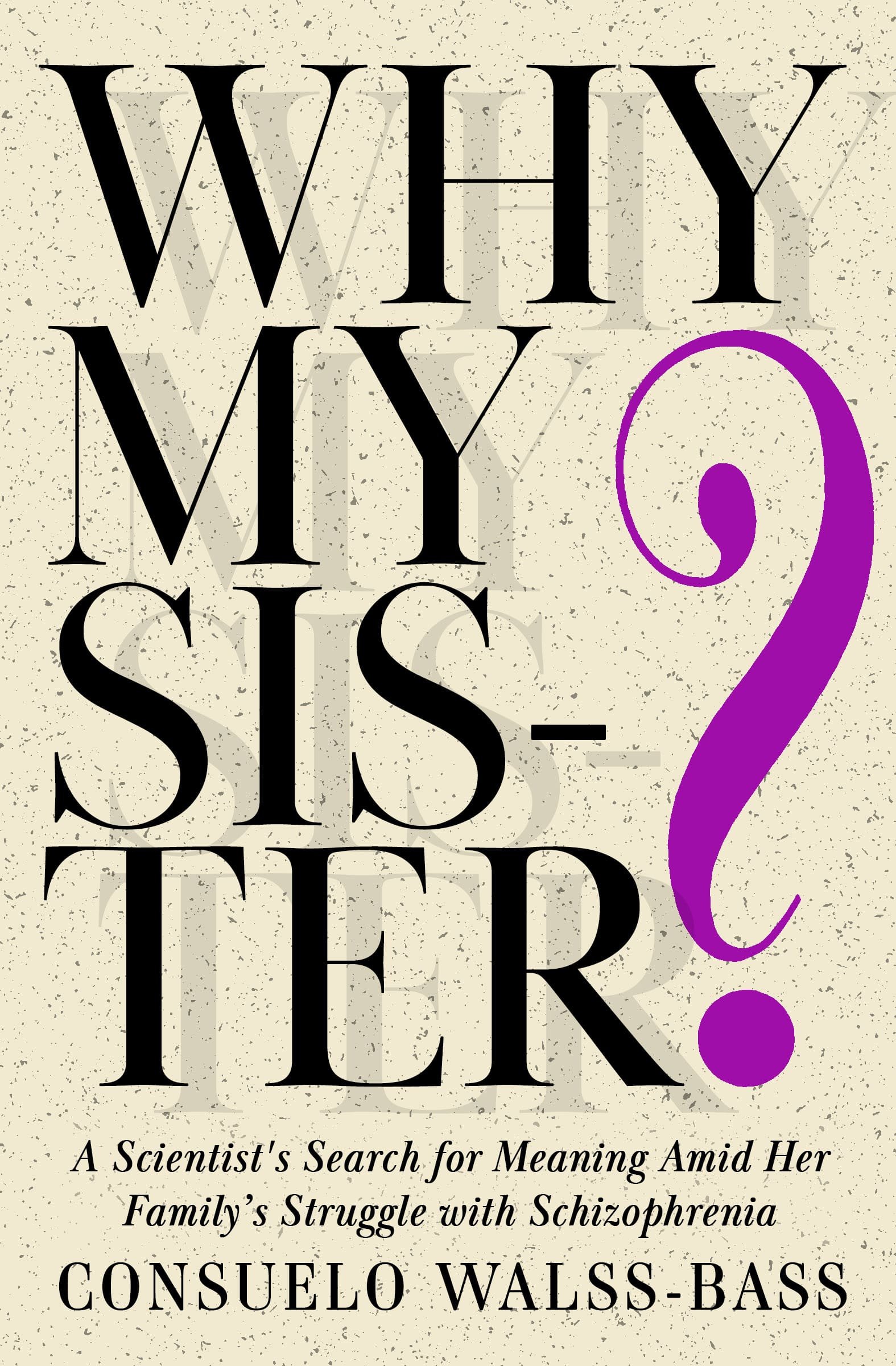
Why My Sister?
A Scientist’s Search for Meaning Amid Her Family’s Struggle with Schizophrenia
Out now · Hardcover and Kindle
Also at Barnes & Noble · Bookshop.org · Books-A-Million · ThriftBooks
Eugenia was beautiful. Religious. Married young to a promising doctor in the north of Mexico. Five children came: four of them would go on to remarkable careers. Then the symptoms began, and the family she had built learned to live around a mother who was not always reachable.
Paty was her youngest daughter. A model. Strikingly pretty, brilliant, loved by everyone. She painted flowers in every color. Then the flowers lost their shape. Then the voices grew louder. Then it all changed.
What does it do to a family when the same genetic pool, the same childhood, the same kitchen table produce four full lives and one life unmade? Why My Sister? is the answer a scientist spent more than twenty years trying to find, and never quite did. It is the story of a family that lives across two countries, two languages, two cultures, and now across two registers of the mind, the one we call well and the one we call ill.
Global launch in six languages
English · Spanish · Portuguese · French · German · Italian
In the Press
BBC News Mundo · El País · Nautilus · elDiario.es · El Confidencial
BBC News Mundo
The Mexican scientist who has spent more than 20 years searching for an answer
A long interview that reached number one among BBC Mundo’s most-read stories: her mother’s hospitalization, the early signs in her sister that the family could not read, guilt, and why she remains optimistic after more than twenty years of research. “If we inherited from the same genetic pool and grew up in the same environment, why does my sister have schizophrenia and I do not?”
Margarita Rodríguez · October 8, 2026 · In Spanish
El País · Spain
A scientist facing her mother’s and her sister’s schizophrenia
A full profile from the science desk of the most widely read newspaper in Spanish. It follows more than twenty years of work on the biology of schizophrenia, from the 180 donated brains in the collection she founded to the miniature brains her laboratory grows from skin cells. “The voices are a manifestation of the illness.”
Miguel Ángel Criado · September 19, 2026 · In Spanish
Nautilus
Schizophrenia’s Cruel Roulette Wheel
A long interview on why the illness has resisted explanation for a century, how stress and inherited risk combine, and what brain organoids may finally reveal. Walss-Bass describes the shift that changed her: learning the symptoms during her postdoc and realizing, all at once, that they described her sister.
Kristen French · September 1, 2026
elDiario.es · Spain
La científica que cultiva minicerebros para entender la esquizofrenia en su familia
On the laboratory work and the stigma behind it. Walss-Bass explains how her team grows brain organoids from seven siblings, three of them ill, and exposes them to stress. She recalls what the neighbors called the family in Torreón: “los hijos de la loca.”
Antonio Martínez Ron · August 29, 2026
El Confidencial · Spain
Una madre, cinco hermanos y dos casos de esquizofrenia
More than twenty years of searching, told through the brain bank she built across the street from the county morgue. The piece follows her from a cancer doctorate to psychiatry, a turn her mentors questioned, and to the question underneath all of it: why her mother, and why her sister.
Laura Camacho · September 7, 2026
About the Book
Part memoir.
Part science.
All truth.
Why My Sister? traces the Walss family across generations and borders — from a young medical student watching patients in flowing white gowns at a hilltop sanatorium in Puebla, Mexico, to a Houston laboratory where skin cells are transformed into miniature brains.
At its center: five siblings, from the same genetic pool, the same chaotic childhood with a mother lost to psychosis. Four went on to distinguished careers. One — Paty, brilliant and beloved — drew flowers that slowly morphed into shapeless blobs as her cognition crumbled. She now lives in Chelo's garage apartment, stabilized on clozapine after years of chaos.
Walss-Bass weaves FKBP5 polymorphisms and iPSC-derived neurons together with searingly intimate family history — a childhood defined by silence, resilience, and the slow realization that something in her family could not be outrun.
Structure
Four movements
toward an answer
that doesn't exist.
Part I
The Mother
Beautiful, religious, unstable, frightening. The night she walked into the dark with the baby and said nothing.
Part II
The Siblings
Five children forged by the same fire. A father brilliant and absent. The scattered years before everything changed.
Part III
The Sister
Paty. The same dice. A different result. The question that became a career and a life's work.
Epilogue
The Science
More than twenty years of research — and the uncomfortable truth that the struggles have not really changed.
From the book
"I started writing this book during the year of COVID isolation. My father had moved in with us, and for the first time in my life, we really talked. Learning about my parents' history gave me a new understanding of my own life." · · ·
The rest belongs to the book.
From the Pages
Scenes that will
not let go
Real moments. Real family. A lifetime compressed into a question.
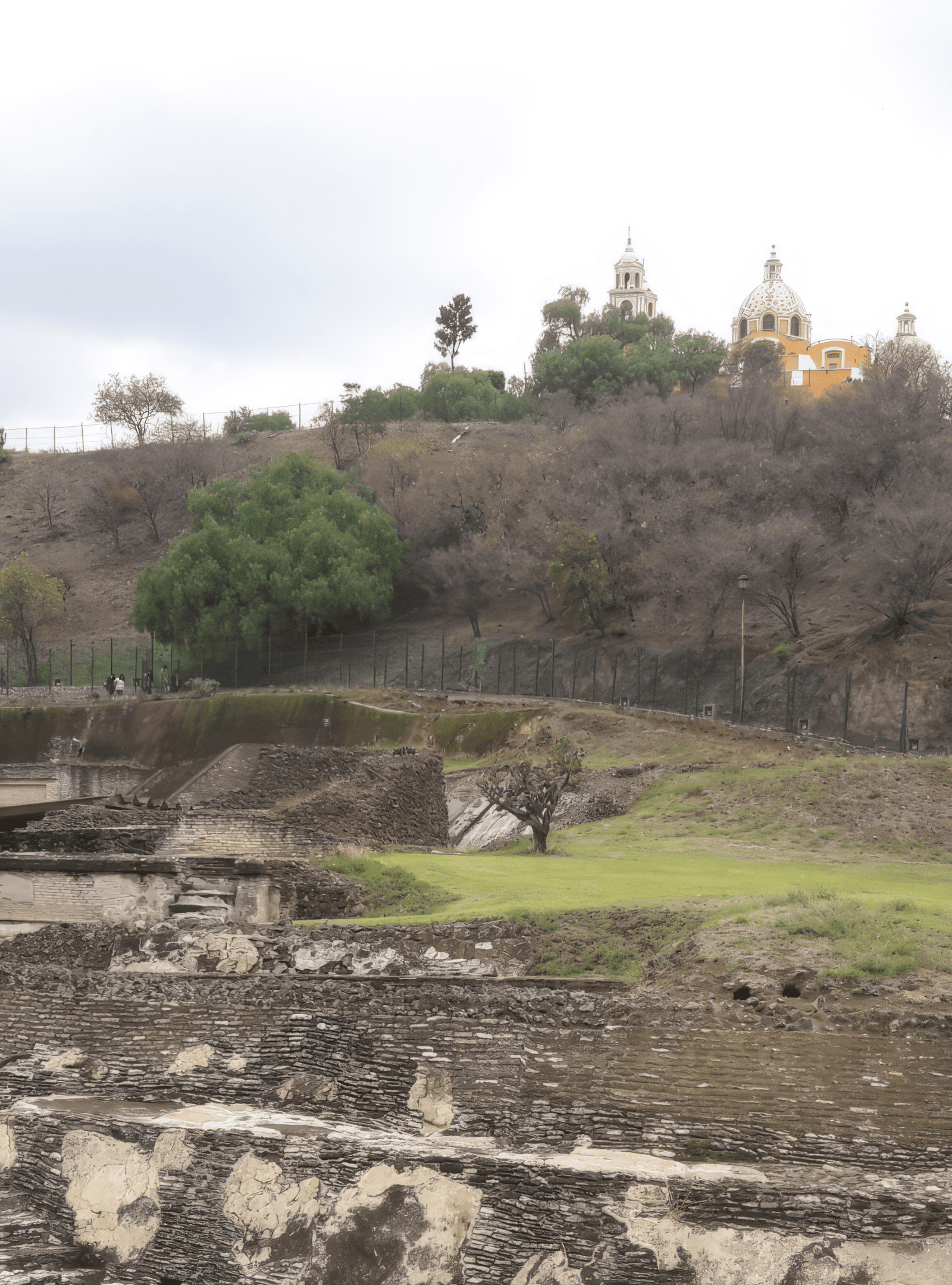
Torreón, Mexico, late 1970s
Chelo opened her eyes and there was Paty — sitting cross-legged on the rug, in front of her bed, all dressed up in her brand-new uniform. "Is it time yet?" "No! Go back to sleep." Paty refused to get in bed for fear of wrinkling it. Chelo knew her sister would still be sitting in the same spot in a few hours when she woke up. She instinctively knew that Paty needed her.
Chapter 6 · Back to the Roots
Ohio, mid-1970s
They walked down long, seemingly interminable dark corridors, women in strange gowns all around. Some mumbled to themselves. Others were wailing. Finally, a small, barely illuminated room. Just a bed and a nightstand. Mami was lying in it. They ran to her, but something was not right. She barely smiled. She did not hug them back as they all put their arms around her.
Chapter 5 · The Pendulum Swings
Torreón, Mexico, late 1980s
She remembered the day they flew to Mexico. Walking in the airport behind her mother, dressed in slim tight black pants and a red leather jacket, she thought her mother looked stunning, and she was sure she caught some people casting furtive glances at her. It seemed that Eugenia enjoyed the attention.
Chapter 8 · Everyone is on Their Own
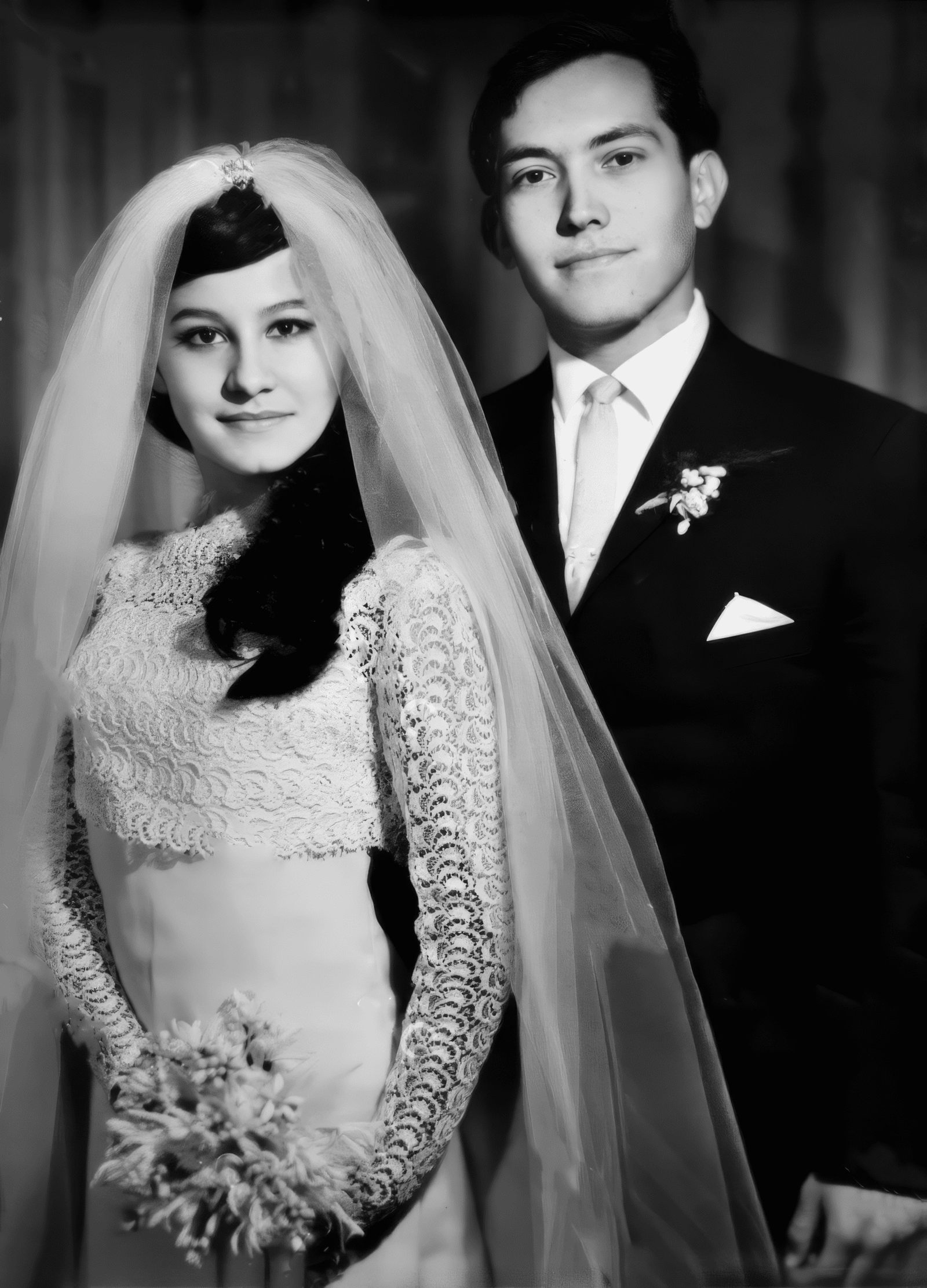
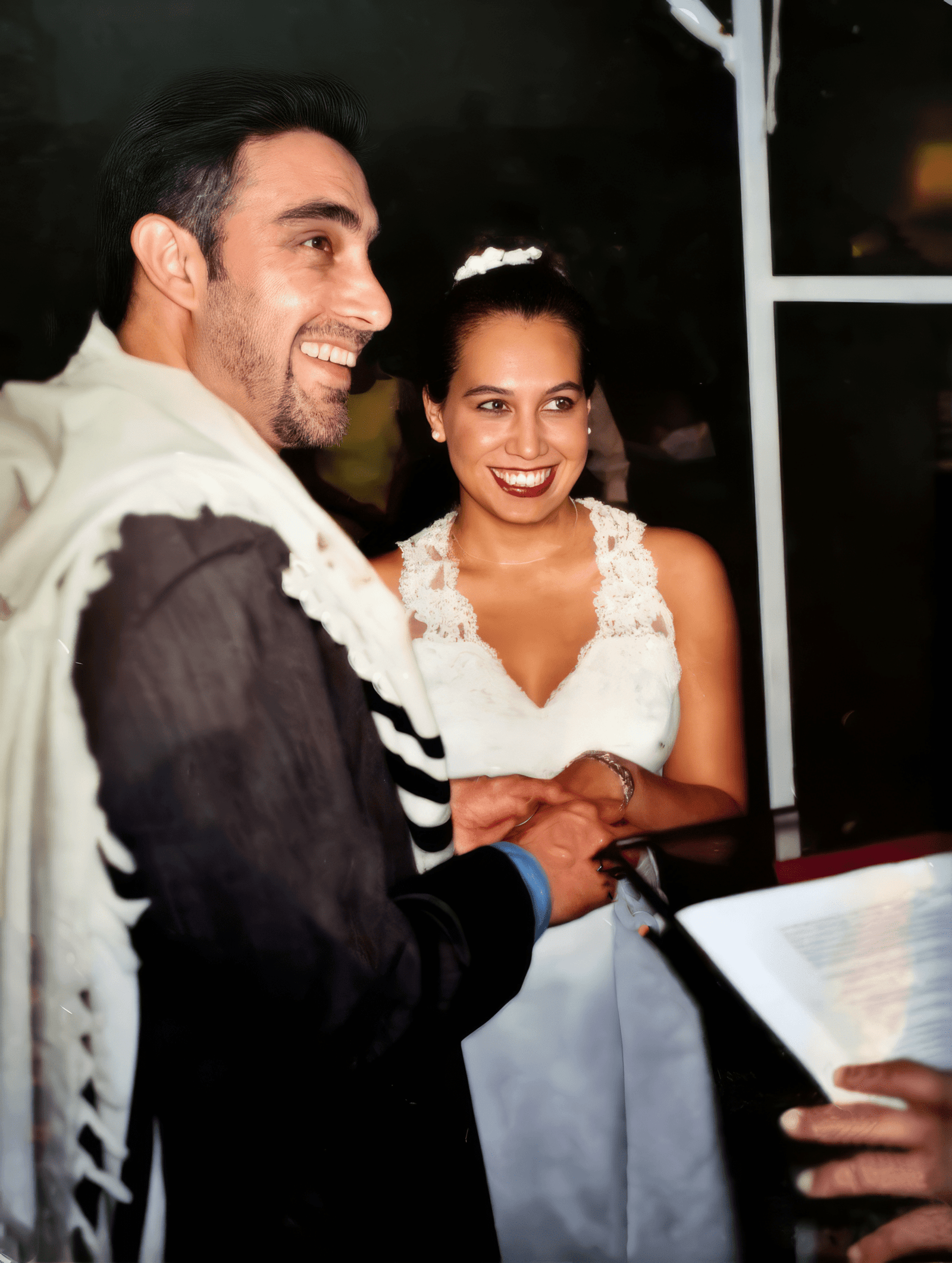
They were young, beautiful, and in love. The family they would build together would be large, loud, and full of life. No one could have known what was coming.
Torreón, Mexico, late 1980s
"Don't you know? He is dead! Dead!" Chelo erupted in a loud wail. Her friend drove immediately to the funeral home. Sure enough, Jenny was already there, sitting on a chair, staring blankly at a wall, surrounded by people. Chelo pushed through them, kneeling at her feet, and buried her head in Jenny's lap, crying uncontrollably. Jenny was not crying. She consoled Chelo. "Don't worry, Chelito, we're going to be fine."
Airport, en route to Orlando
Just as a kettle at its boiling point starts hissing loudly, she started screaming obscenities, her voice getting louder and louder. Leo and Chelo were stunned. They had never seen Paty act this way. Everyone was staring. Eugenia, mortified, started mumbling to herself. The loudspeaker announced that boarding was now in progress.
Chapter 12 · Unraveling
San Antonio, early 2000s
Her favorite thing to paint was flowers, in all kinds of shapes and colors. Her gradual cognitive decline could be traced from her paintings, over the span of a few months. The flowers slowly started to become amorphous, until they were just blots of color. Then the voices became louder. The psychosis was soon out of control.
Chapter 15 · Prodigal Daughter
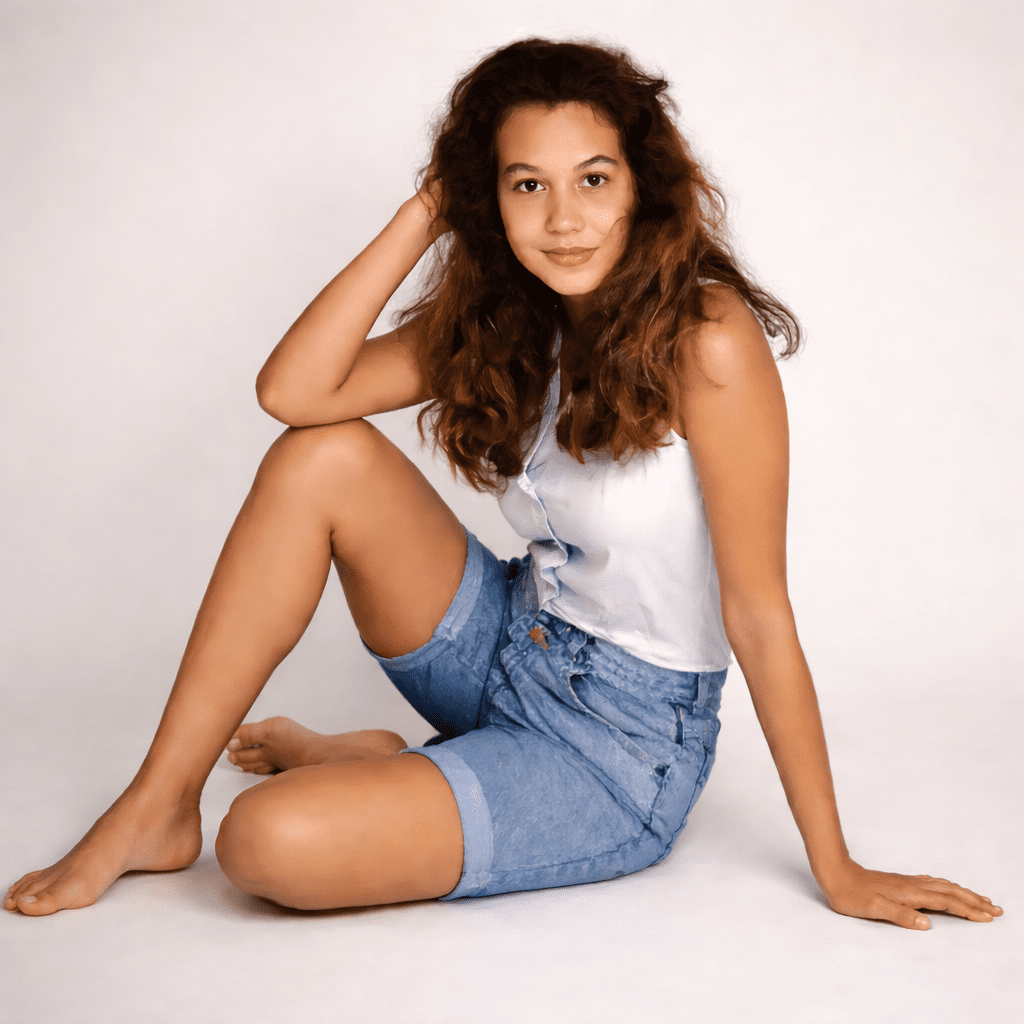
They called her the pretty one. She was a model and she was brilliant.
The illness did not care.
She was beloved. She was radiant. She married the love of her life.
The illness did not care.
Brownsville, Texas
"My name is Isaac. I am married to your daughter Paty." Rodolfo felt a strange mixture of relief and disbelief. She is ok. She is married? Then: "She has been diagnosed with schizophrenia." Rodolfo started to cry, not caring that he was still on the phone. He had dreaded this moment. He had hoped against hope it would never come to pass.
Chapter 15 · Prodigal Daughter
Houston, 2016
Dan's soothing voice pacified her. The officers were gentle, well trained for this. Paty offered no further resistance — but as she was getting into the van, her last words to Chelo were: "I will never forgive you for this!"
Chapter 17 · Breakthroughs
Houston, Texas, 2025
Being around her sister is hard for Chelo. She loses patience often and is easily irritated when Paty asks the same questions repeatedly or does not follow simple instructions. It is as if she sees her mother in her. Feelings of anger, helplessness, and distressing memories, memories she tries hard to repress, swell up to the surface. She knows there is no rational explanation for this; it is not her sister's fault. But she cannot help it.
Chapter 18 · Two Sides of a Coin
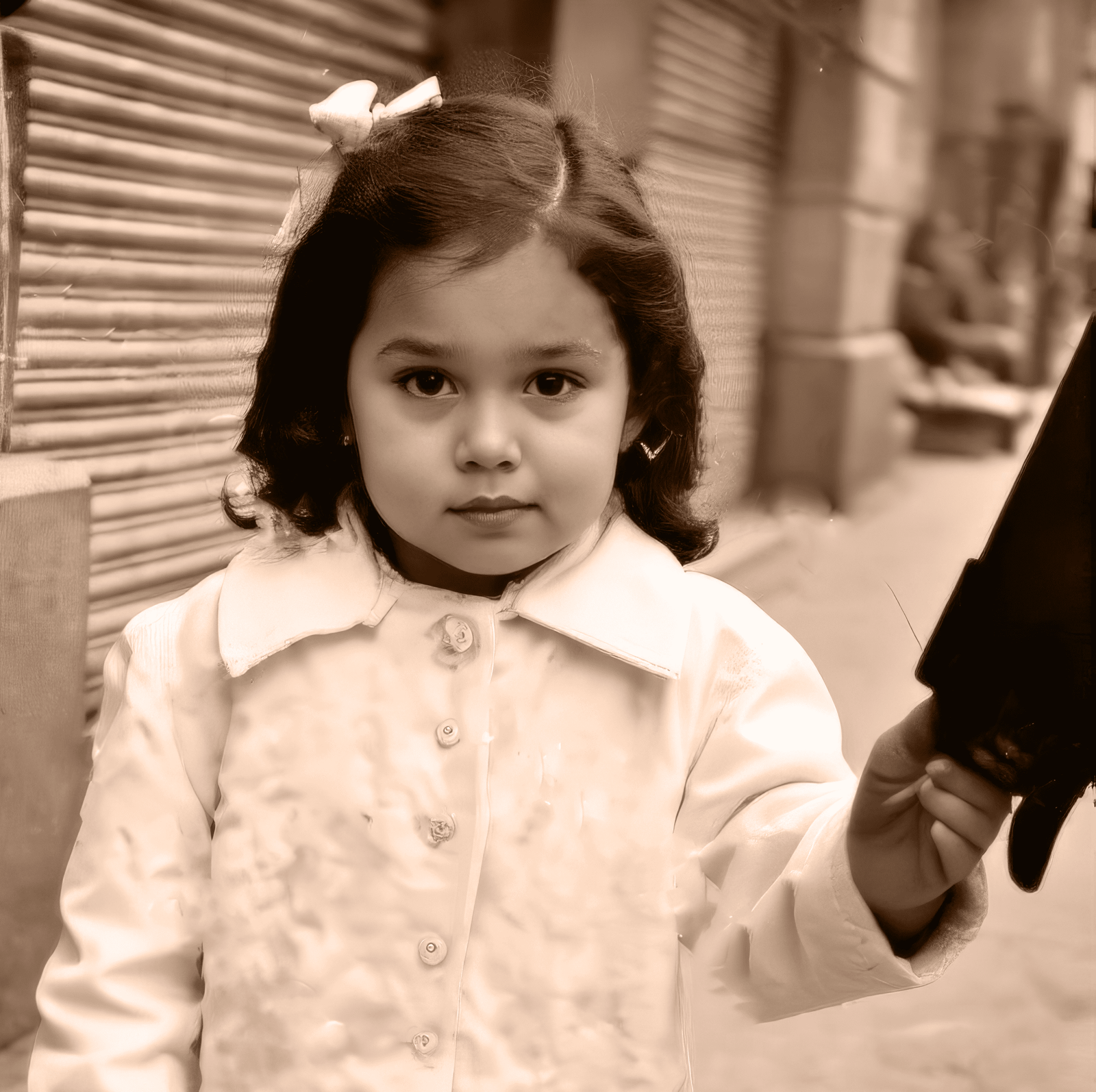
Eugenia
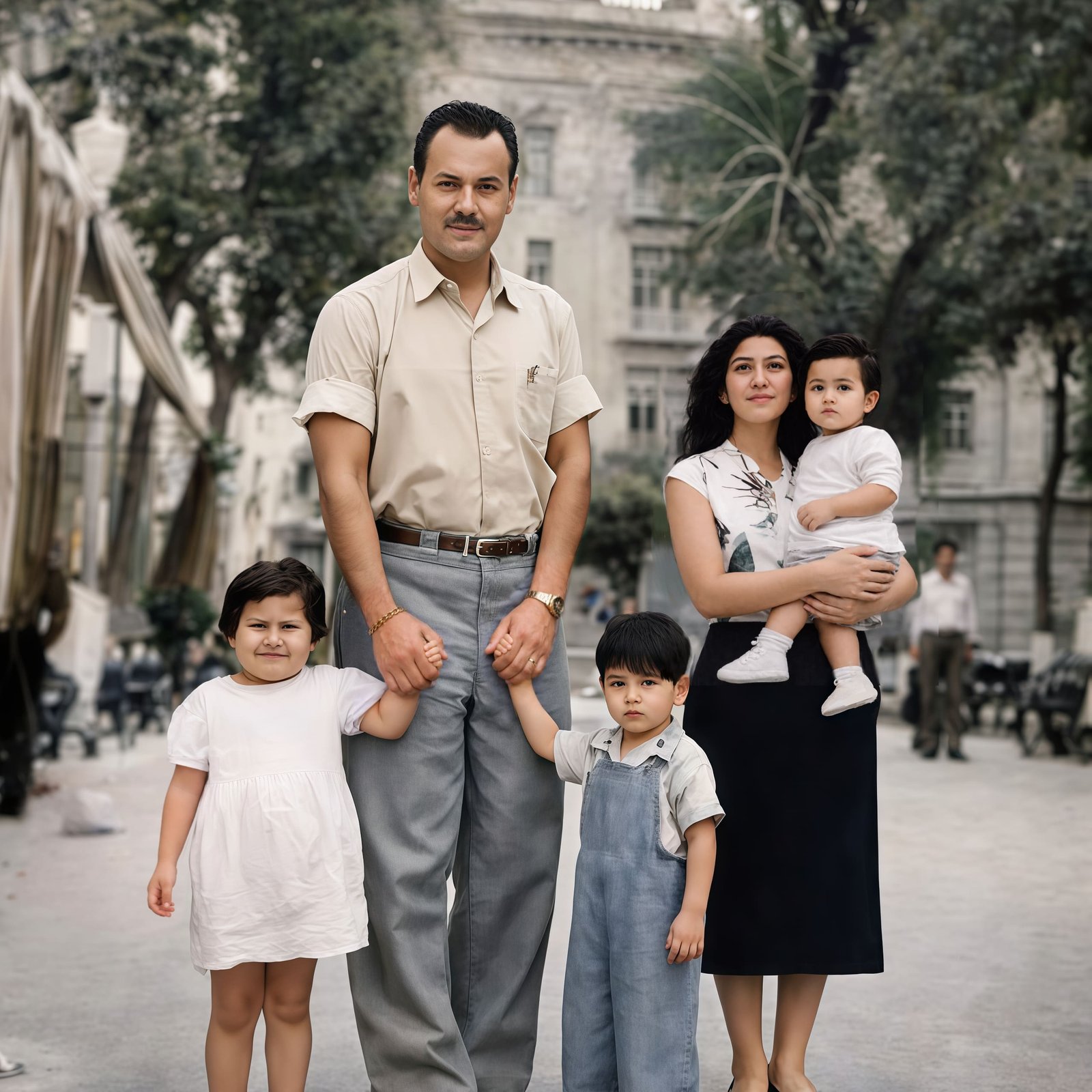
Everything in this book begins with her. A girl on a street in Torreón in the early 1950s, holding her father's hand. The wife he stood by despite everything. The mother they loved was the same mother they feared. She brought inside her the question they could never stop asking.
Houston, Now
Science Rooted in Family
"I now worry about my own children. I have done my best to reduce their stress levels since they were babies. I know this is all I can do. The genetics are there. But maybe I can do something about controlling their environment. The question remains: Why her? The struggles remain. The fight continues. But hope endures."
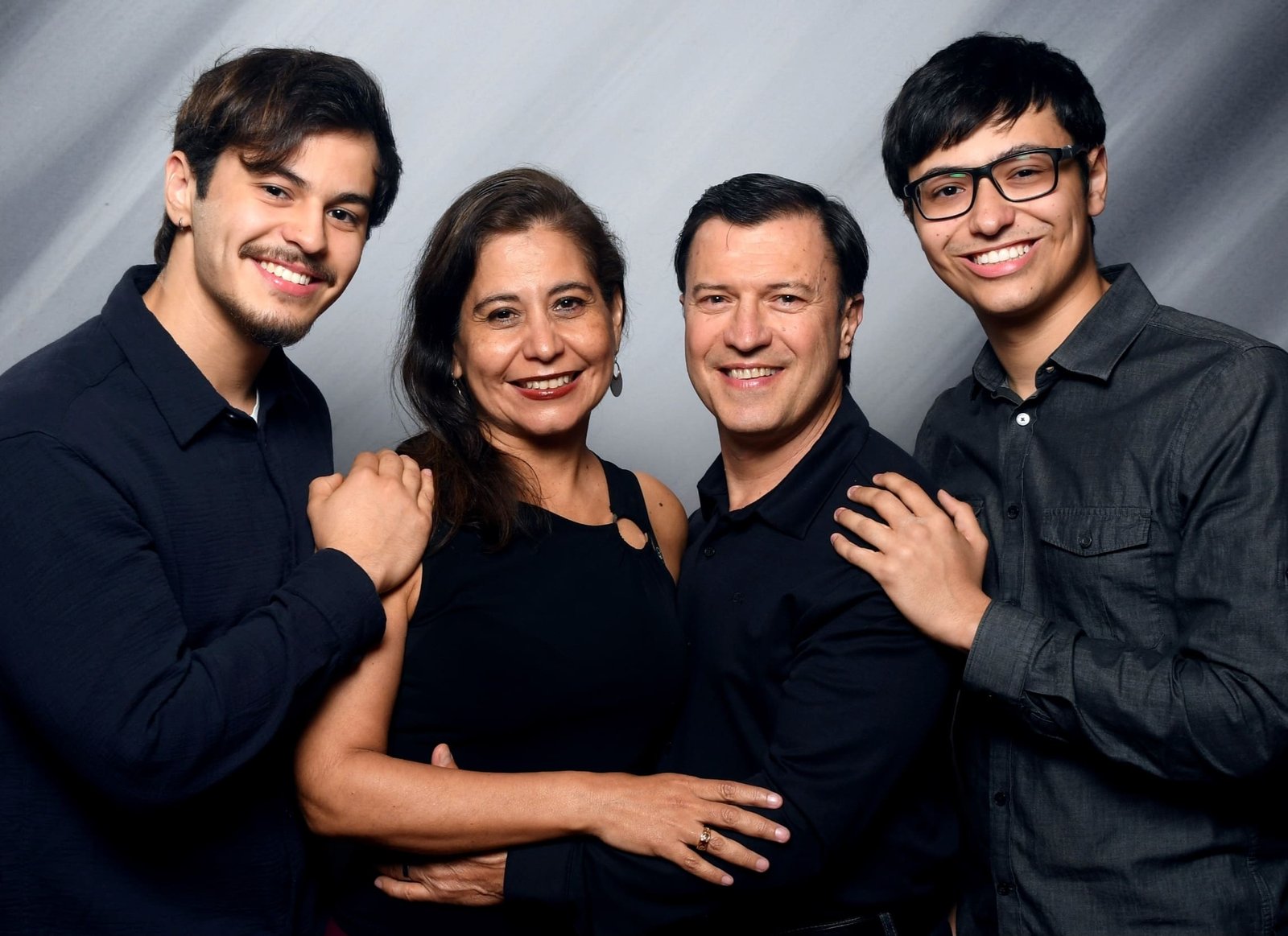
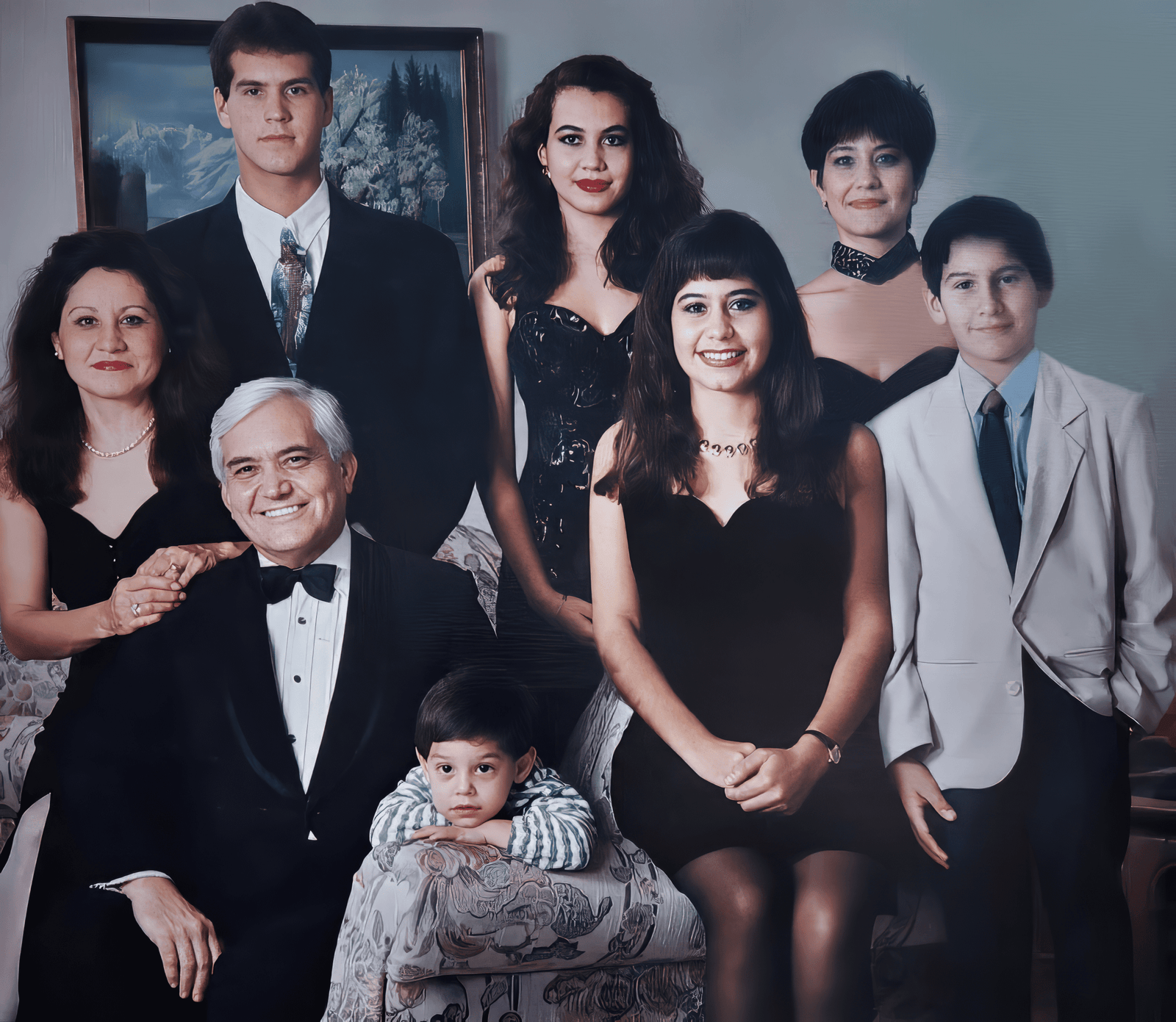
The Walss-Bass family
These are fragments only. The story belongs to the book.
Out now · Hardcover and Kindle
Also at Barnes & Noble · Bookshop.org · Books-A-Million · ThriftBooks
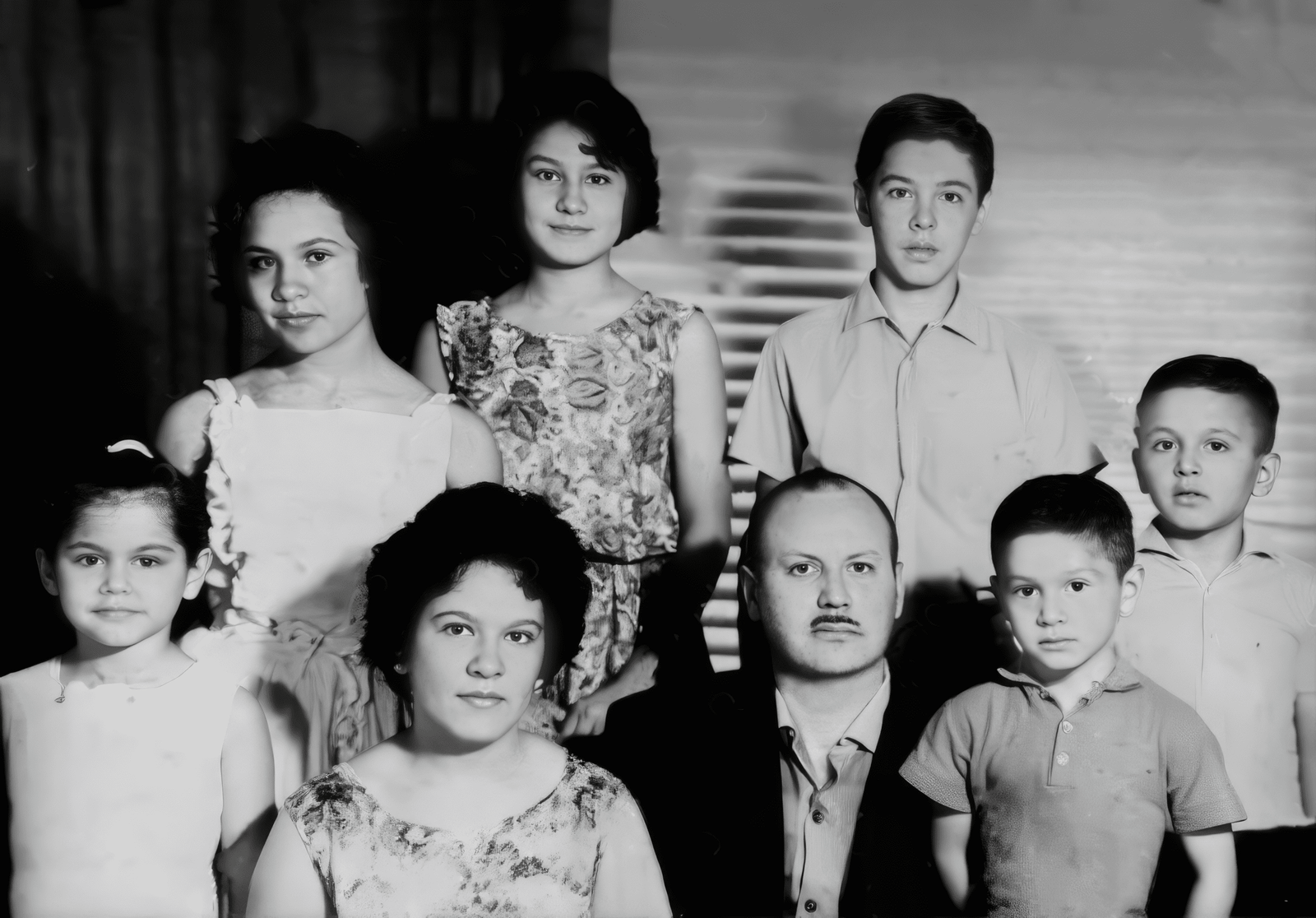
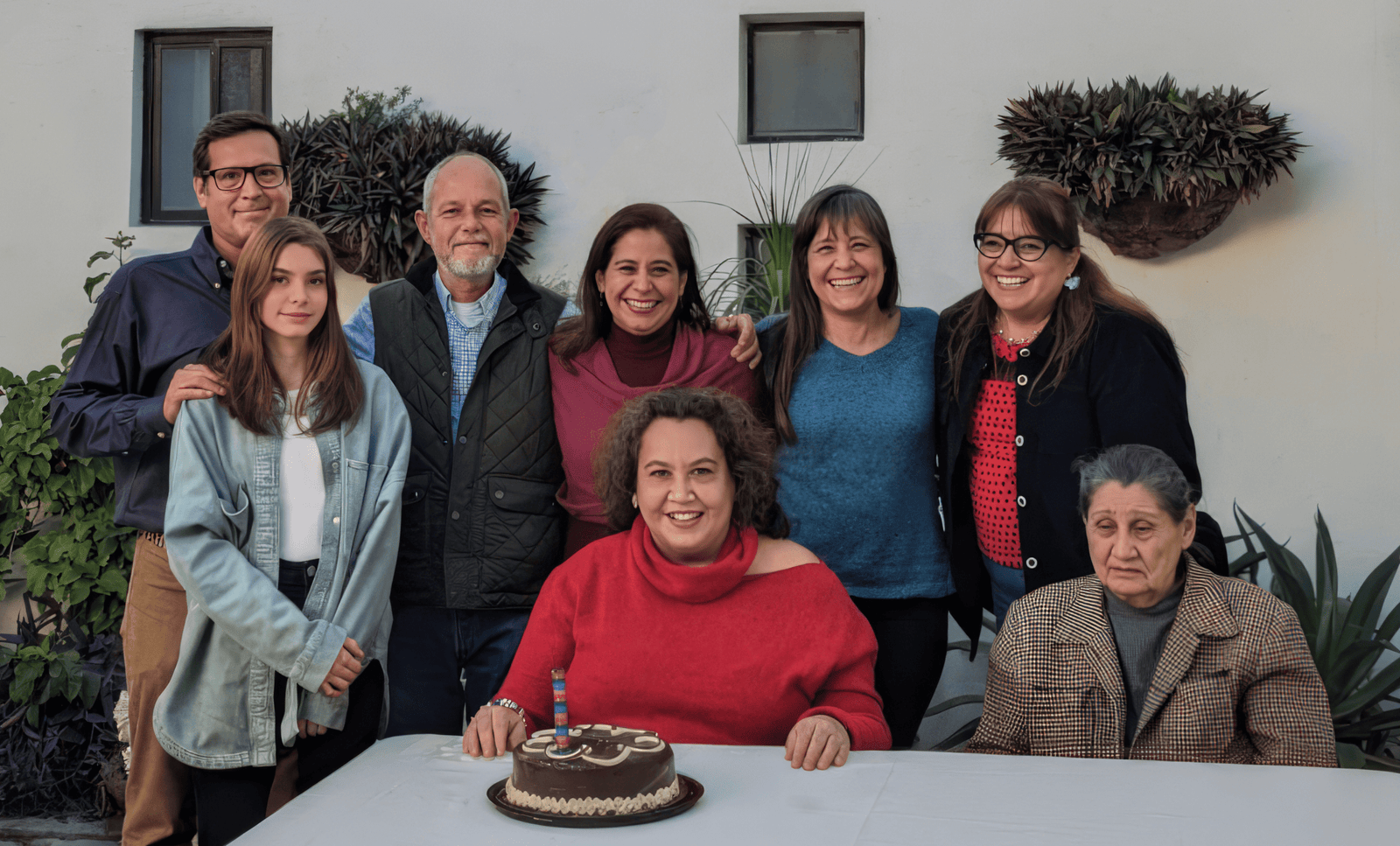
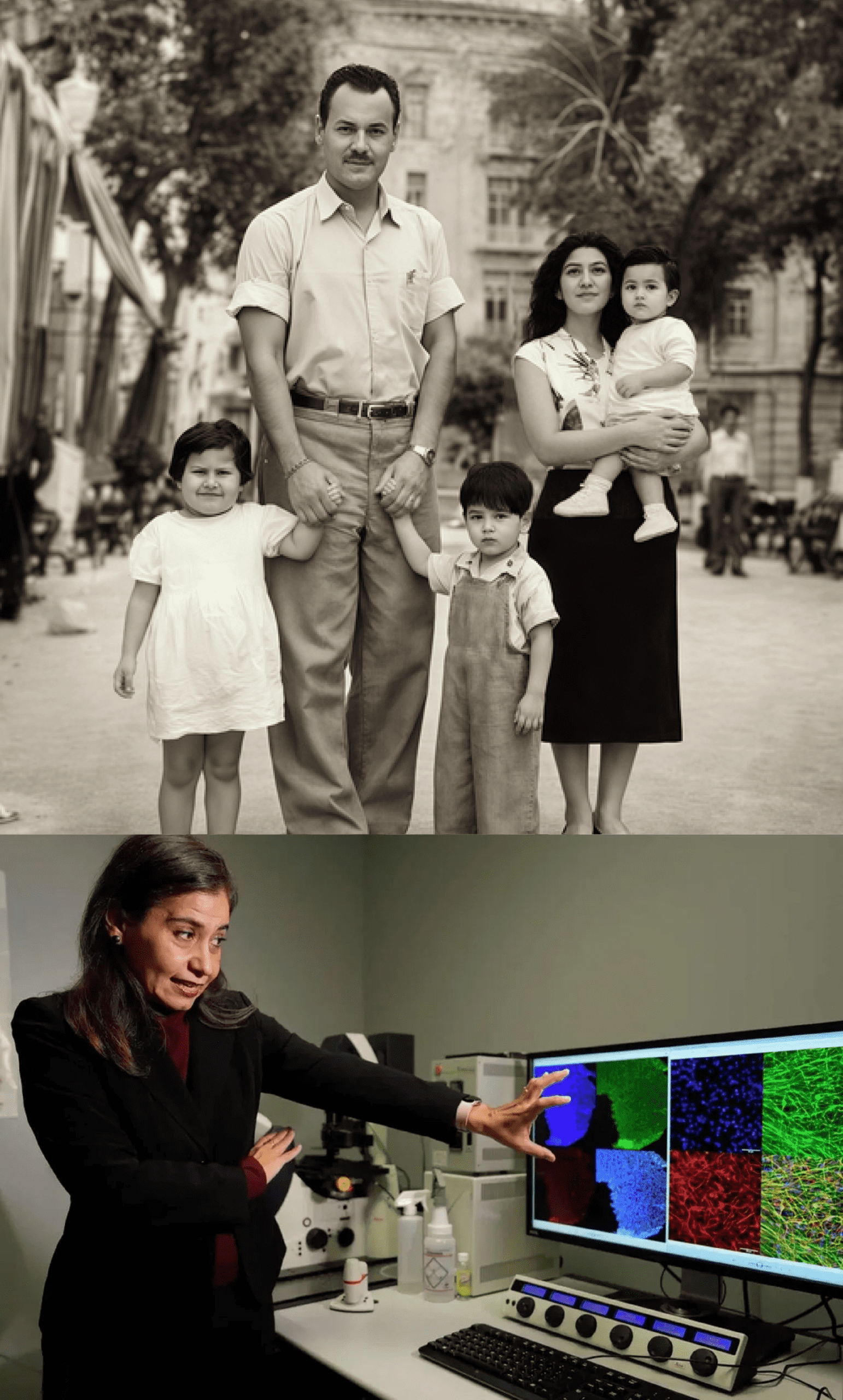
Eugenia is seated at right, in the brown jacket, next to Paty in the red sweater.
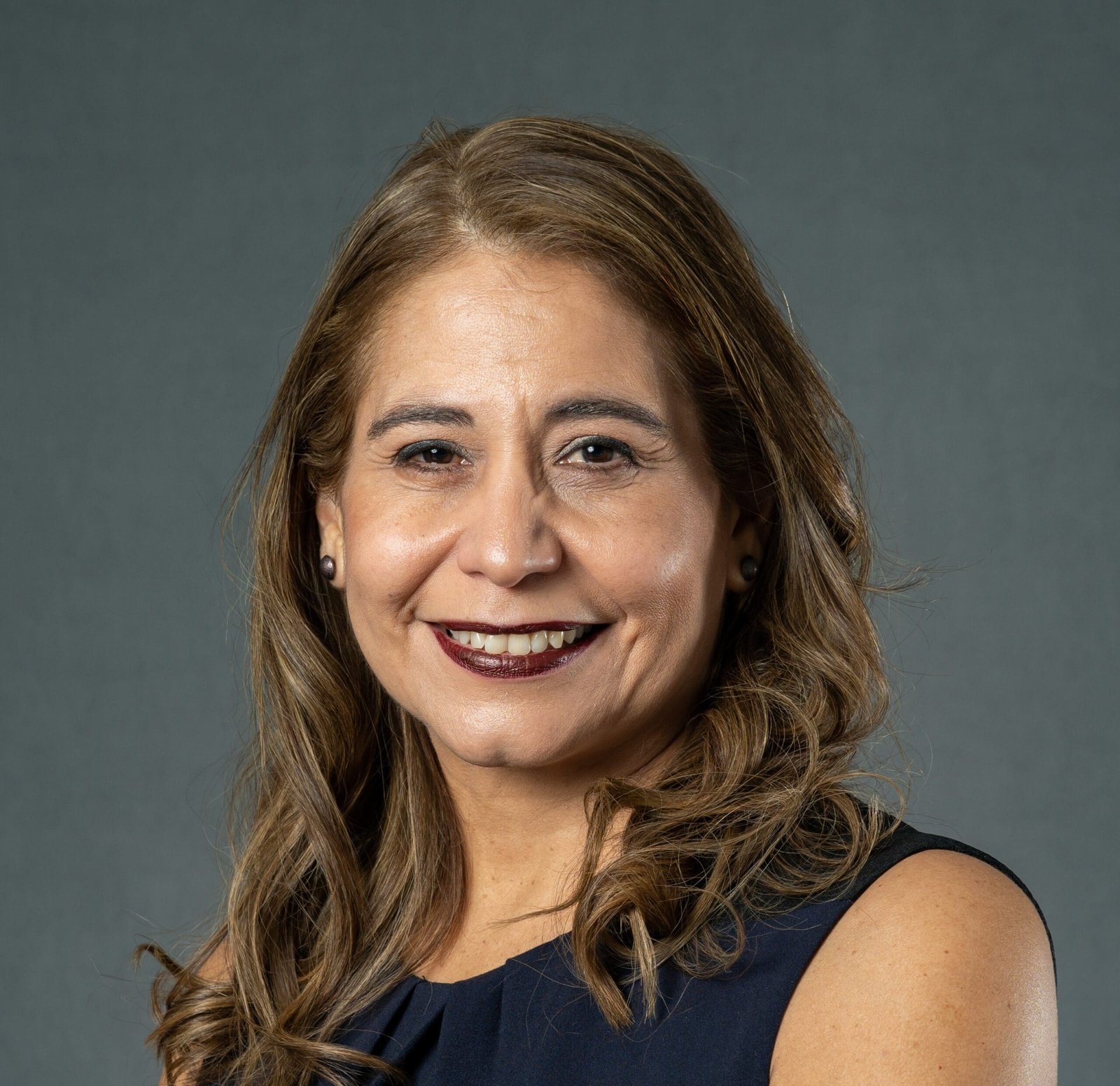
Photo by Shyam Tailor
The Science Behind the Story
She didn't just ask why.
She built the tools
to find out.
The central challenge of psychiatric research is access. You cannot biopsy a living person's brain. And when you examine a deceased brain, you cannot see how its cells once communicated. The Walss-Bass laboratory attacks this problem from both directions.
In 2014, Walss-Bass founded the UTHealth Houston Brain Collection for Research in Psychiatric Disorders, which has received donations from 180 individuals. Her lab also transforms donated skin cells into induced pluripotent stem cells, then into neurons and three-dimensional brain organoids smaller than a pea: miniature brains that carry the same DNA as the donor.
Global Launch
One book, six languages
Also published in Spanish, Portuguese, French, German, and Italian. Each edition has its own site. A Japanese edition is in production and a Chinese edition is in development.
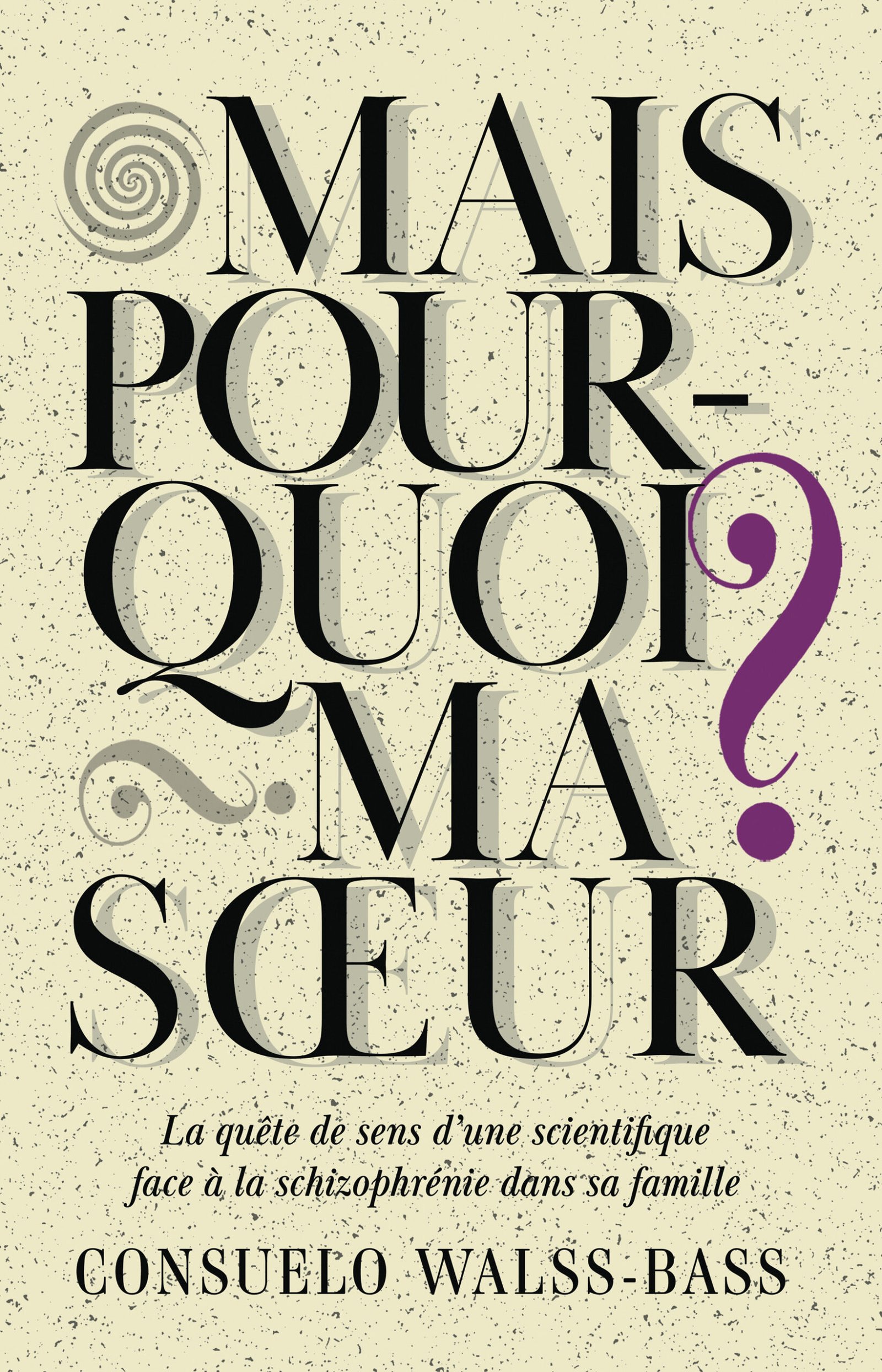
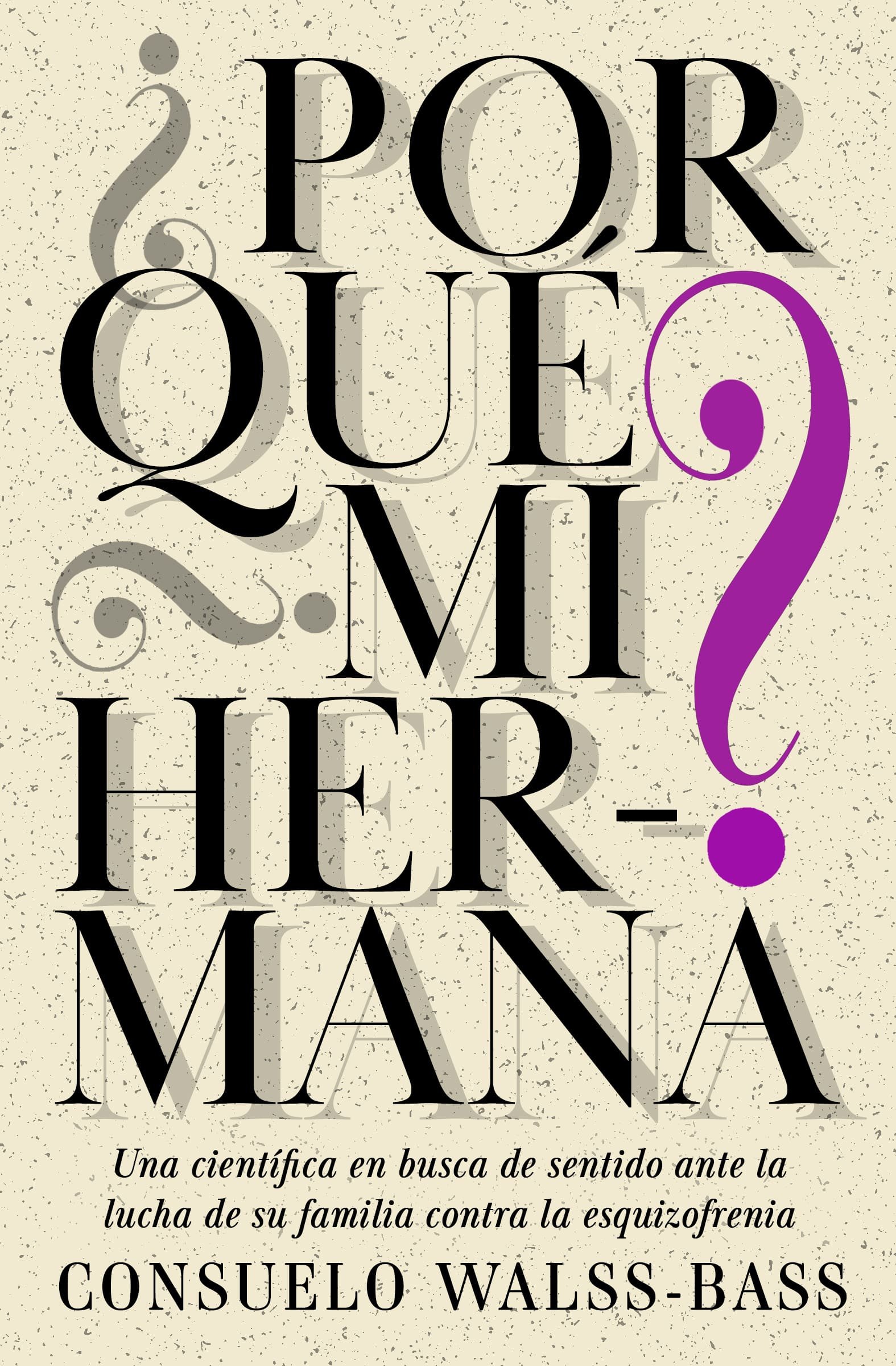
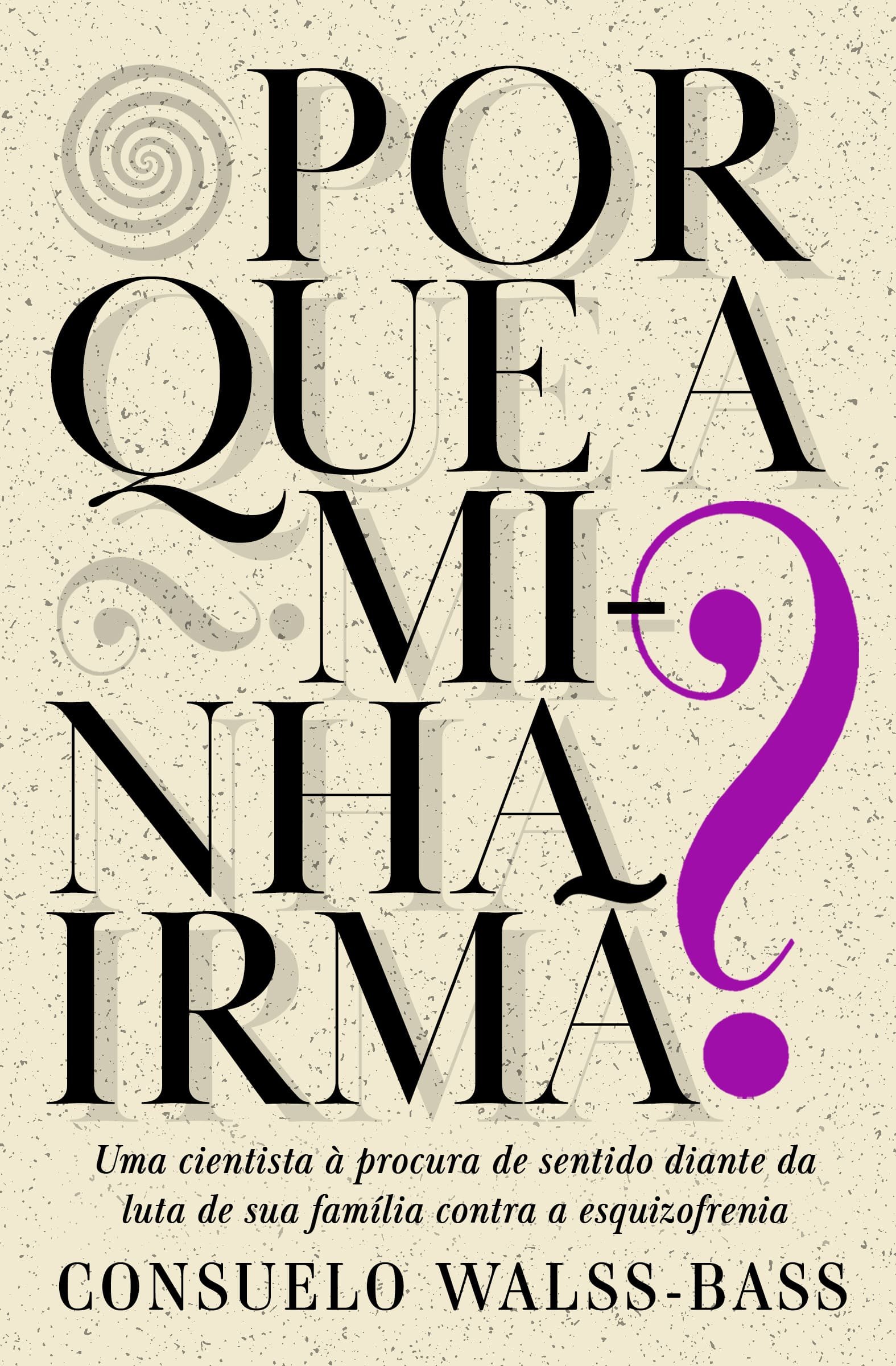
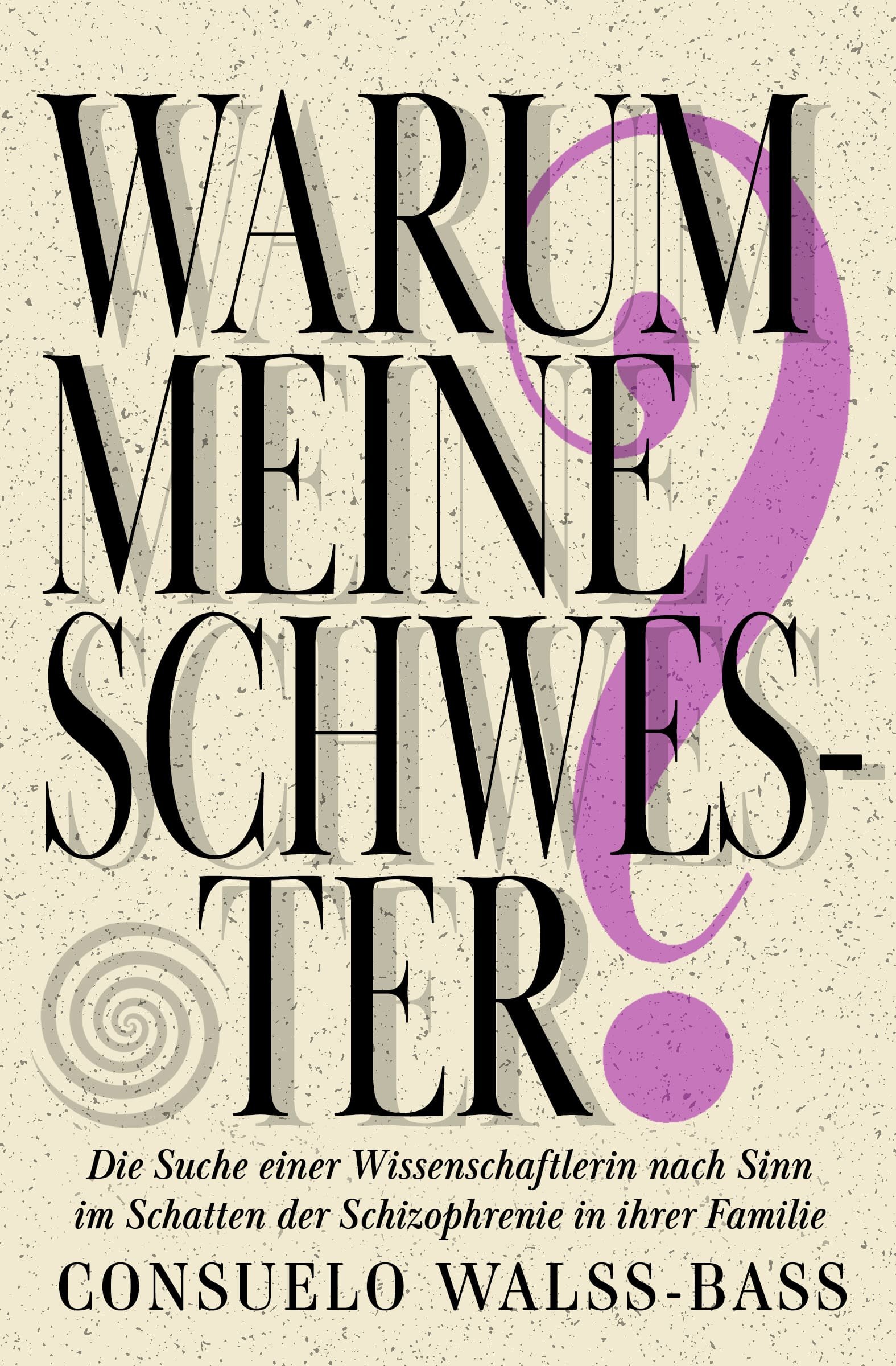
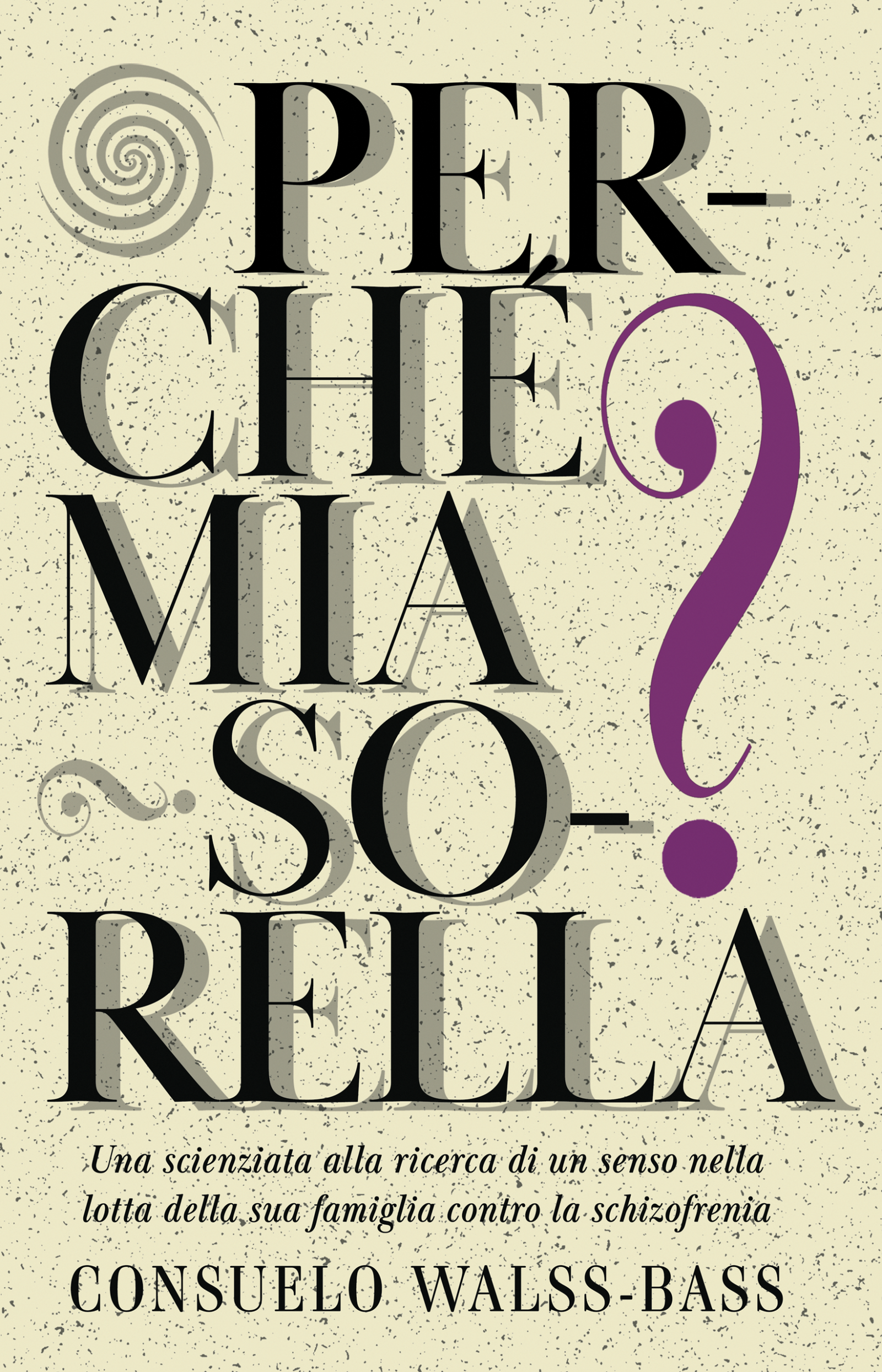
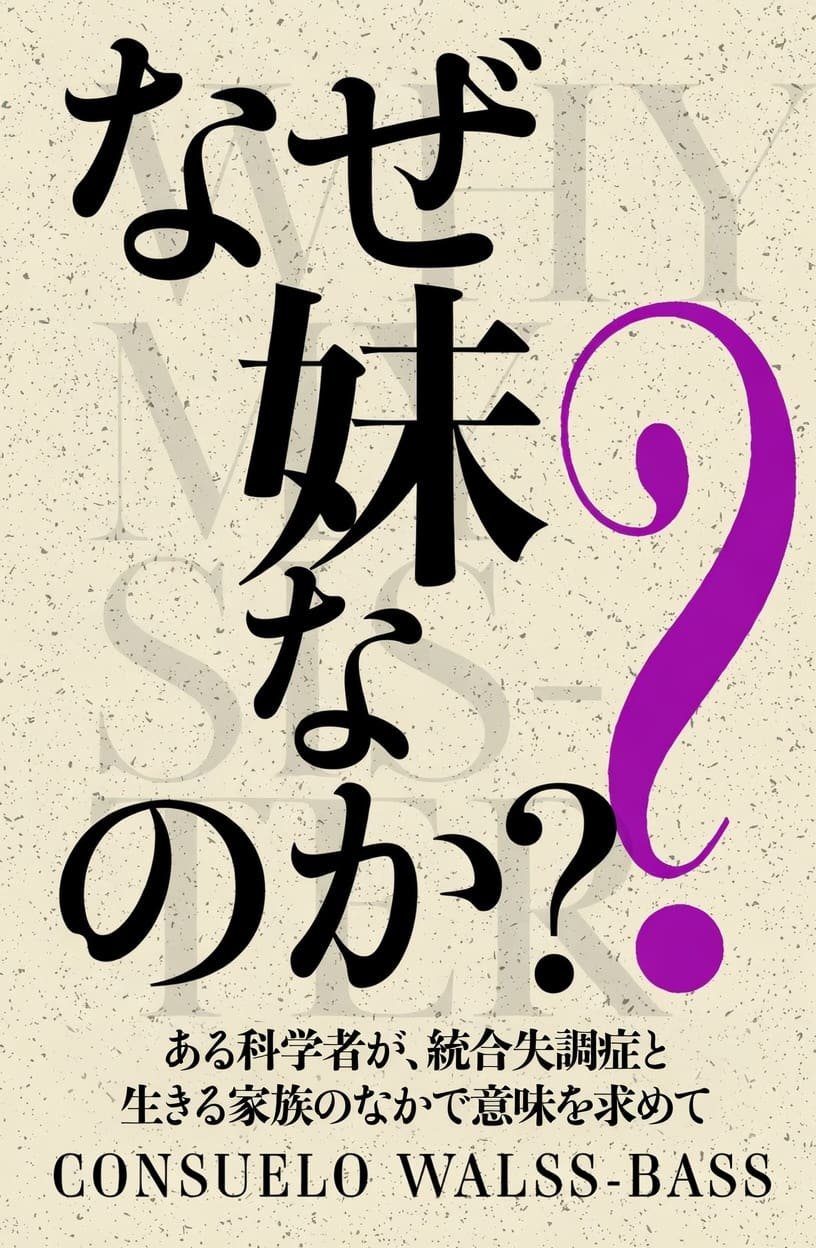
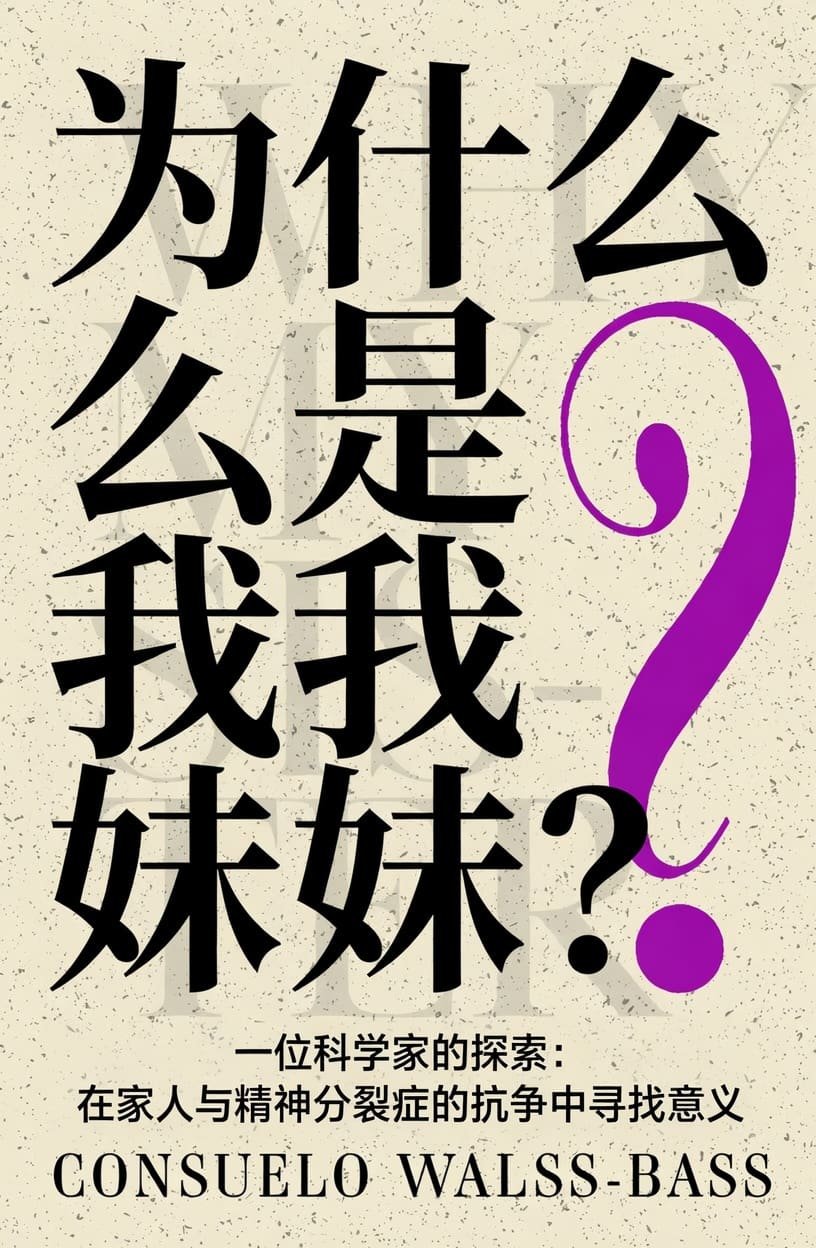
Why My Sister? · ¿Por Qué Mi Hermana? · Por Que a Minha Irmã?
Mais pourquoi ma sœur ? · Warum Meine Schwester? · Perché Mia Sorella?
なぜ妹だったのか? · 为什么是我妹妹?